Gardening for Mental Health: Growing Connection, Wellness, and Community
An update on Mental Health and Wellness Blooms in Antioch’s Apothecary Garden
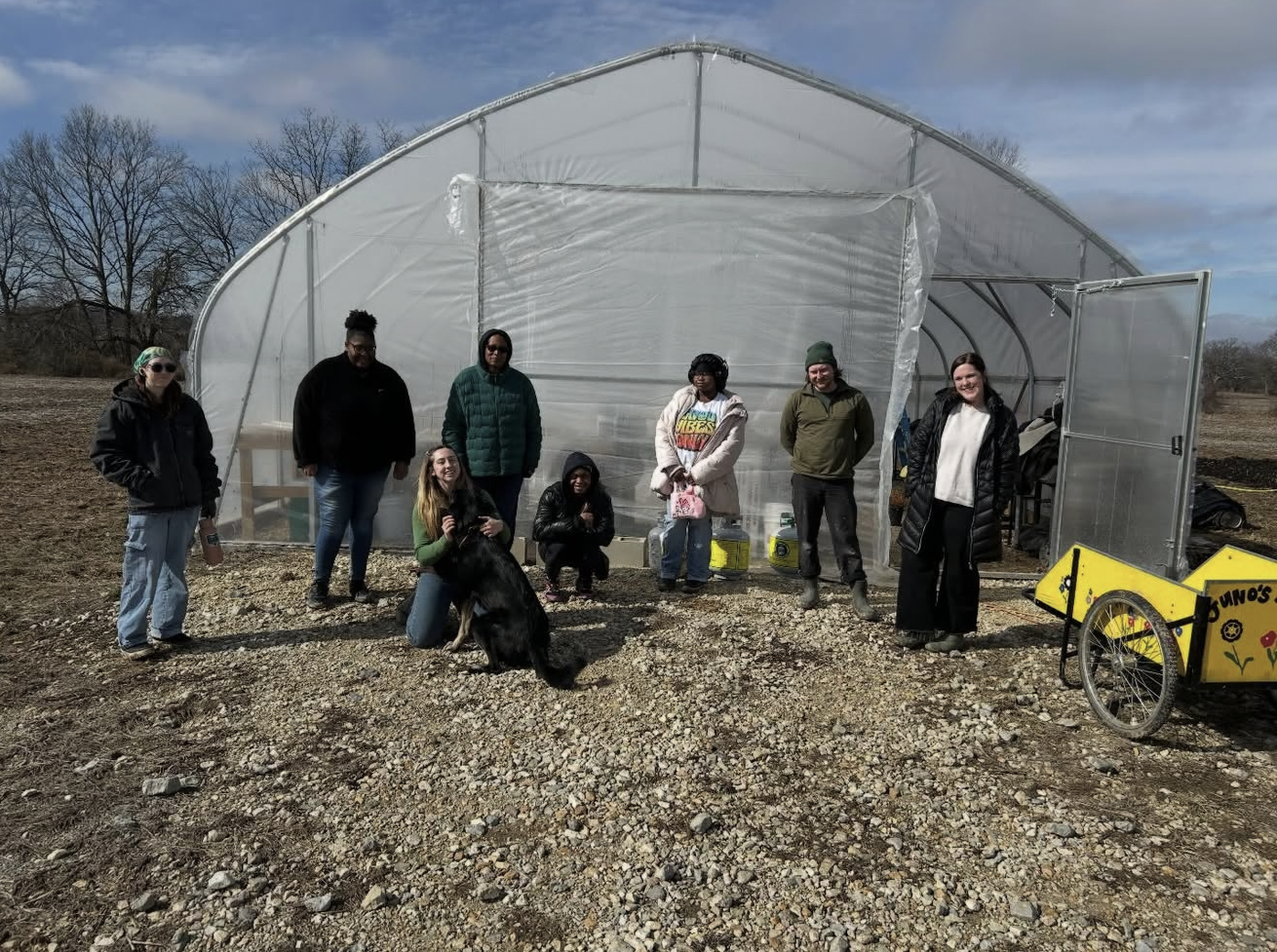
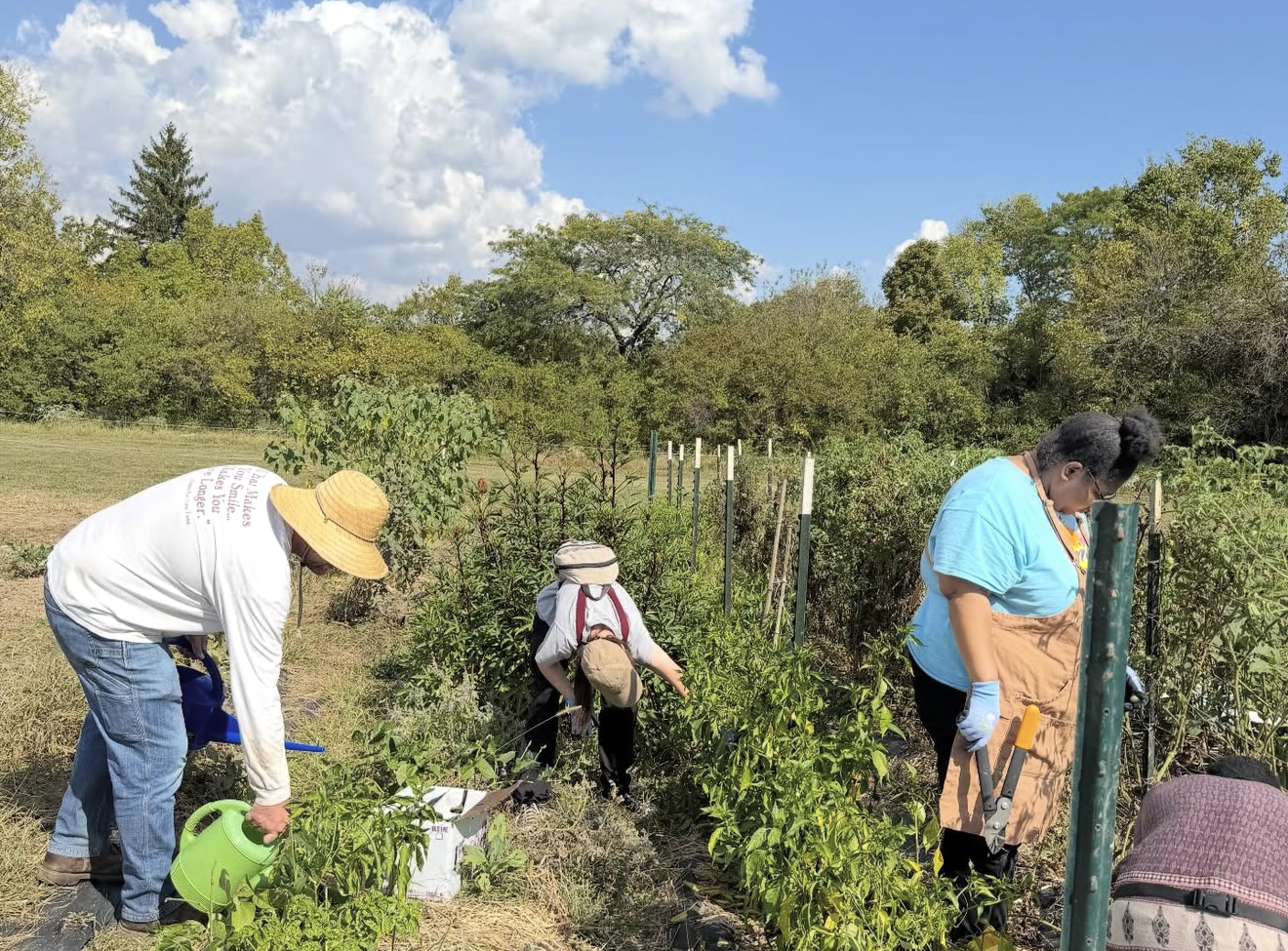
The Gardening for Mental Health Program continues to create opportunities for Antioch College students to connect with nature, one another, and themselves through hands-on gardening and nature based experiences. Building on the Apothecary Garden’s foundation and the launch of the Gardening for Mental Health program in Winter 2025 , the initiative has expanded beyond gardening activities alone to include mindfulness, grounding, reflection, skill building, community engagement, and experiential learning. The program was developed in response to student interest in nature based wellness and the need for accessible opportunities that support emotional well-being and meaningful connection outside of traditional counseling spaces.
Meadow Fritillaries
Meadow Fritillary butterflies feeding on late-season flowers, September 2026. Photo: emmamsps / iNaturalist (CC BY-NC).
Why Gardening and Nature?
Gardening and horticultural activities have increasingly been examined as accessible approaches for supporting mental health and well-being. In an umbrella review and meta-analysis of 40 studies, Panțiru et al. (2024) found an overall positive relationship between gardening and horticultural therapy and measures of mental well being, health status, and quality of life. Their meta-analysis also found a significant positive effect of gardening and horticultural therapy on well-being, although the authors cautioned that substantial differences among studies limit direct clinical conclusions.
More recent evidence has similarly identified potential mental health benefits. Wood et al. (2025) conducted a systematic review and meta-analysis of social and therapeutic horticulture and found significant effects favoring horticultural interventions for both depression and anxiety symptoms. However, the authors also identified methodological limitations and called for additional rigorous research. Similarly, Sin et al. (2025) reviewed 30 studies involving more than 2,000 participants and found that horticultural activities were associated with a moderate reduction in depressive symptoms. The review identified activities such as plant care, harvesting, sensory stimulation, and other hands-on horticultural activities as components of these interventions.
Together, this literature provides a foundation for understanding why gardening can function as more than a recreational activity. Gardening offers opportunities for purposeful activity, sensory engagement, physical activity, learning, reflection, and connection with the natural environment. When these activities occur together, they can also create opportunities for social interaction, communication, and belonging.
Growing Skills, Connection, and Community
At Antioch College, students participate in garden based wellness sessions that combine hands-on activities with mindfulness, grounding exercises, reflection, and peer check-ins. The program has expanded into workshops and field experiences that introduce students to gardening, sustainability, agriculture, food systems, and different relationships with the land. Students have participated in experiences with local farms and gardens, including Apothecary Garden, Butter Flower Farm, and Patchwork Gardens, as well as other nature based activities.
The program intentionally emphasizes more than gardening skills. Students have opportunities to develop communication, teamwork, leadership, emotional awareness, mindfulness, self-regulation, environmental stewardship, and practical skills. Programming also incorporates culturally responsive approaches that recognize that students may have different relationships with land, food, gardening, and nature.
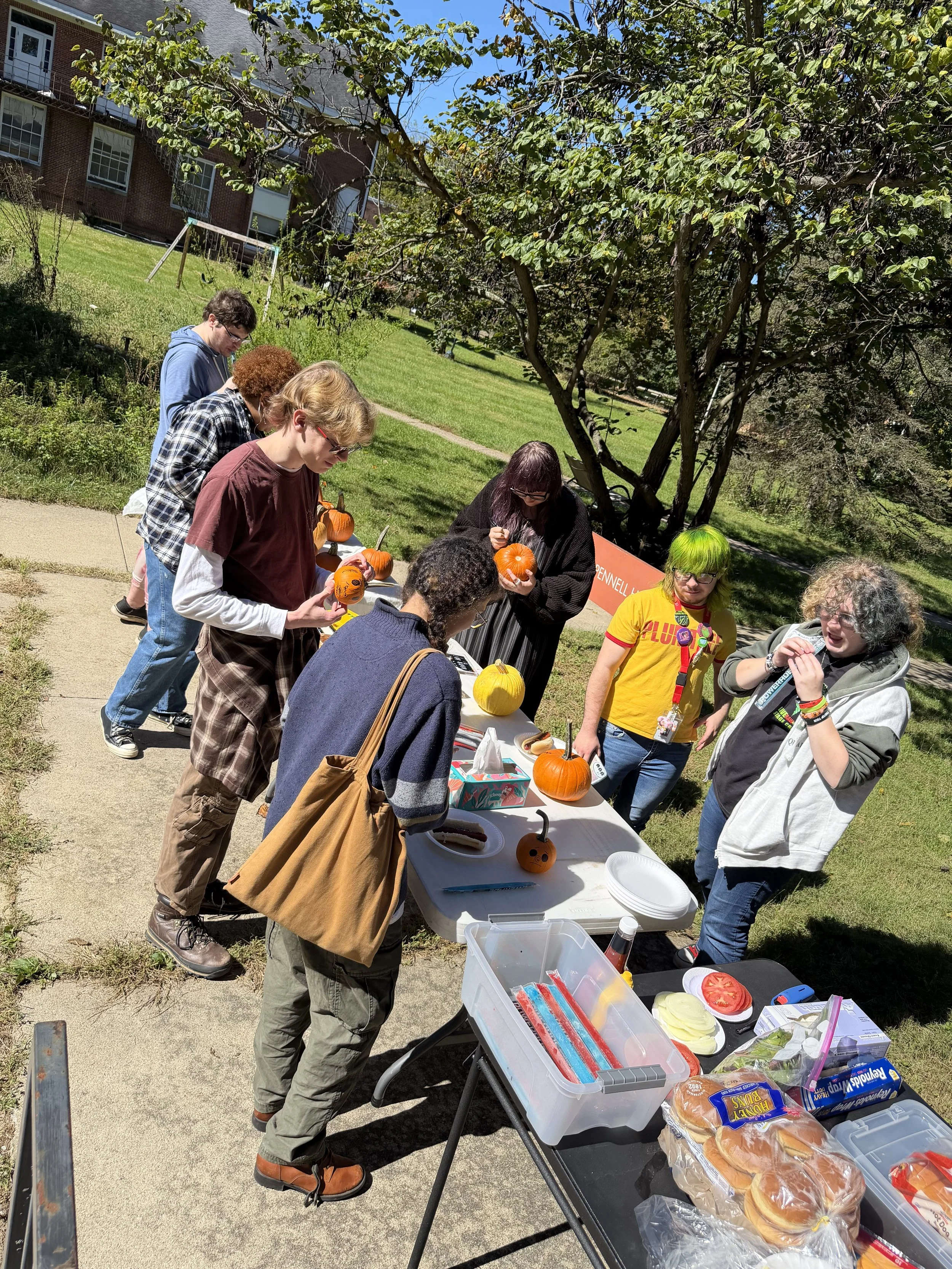
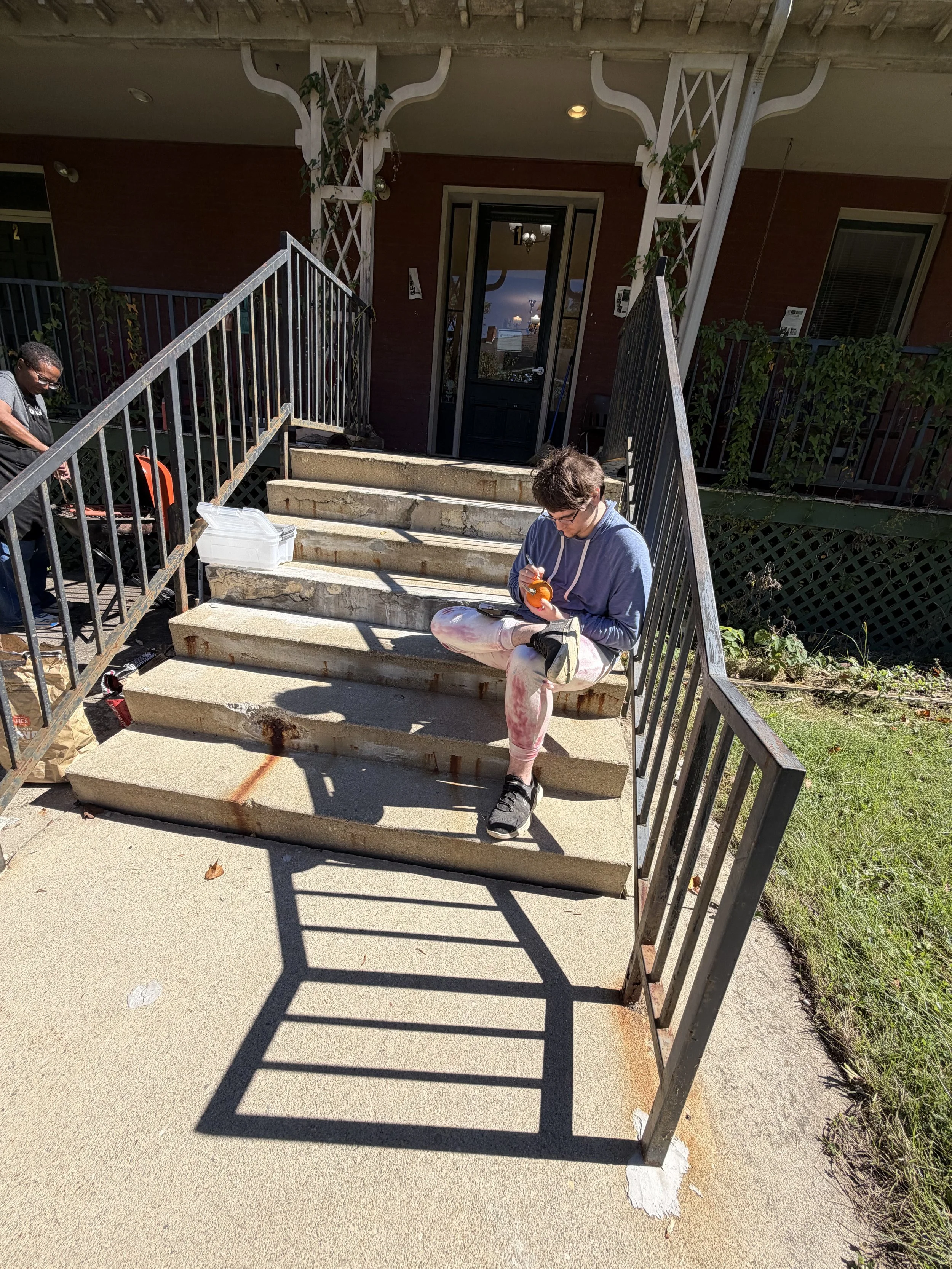
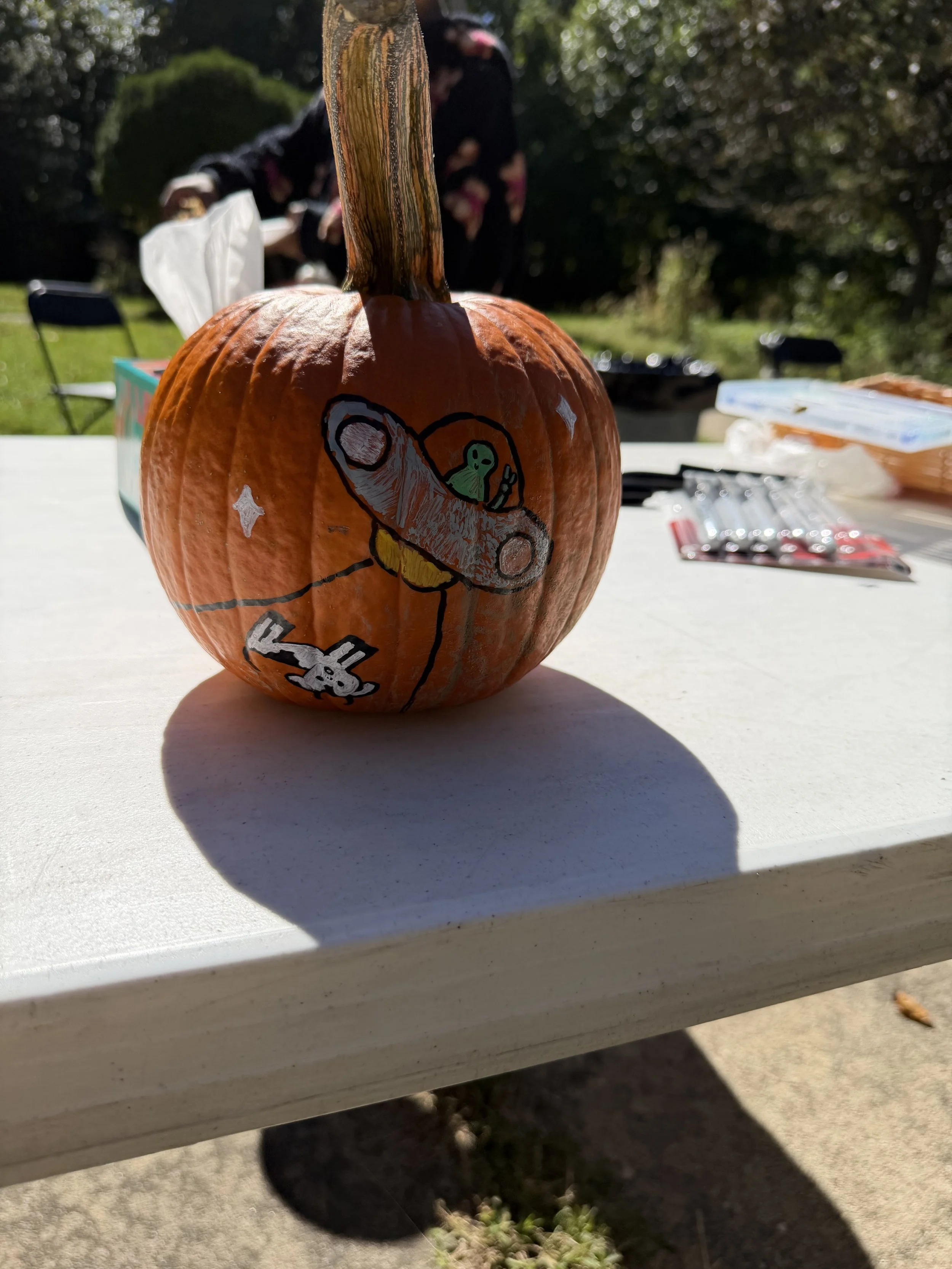
Students participated in a fall pumpkin-decorating activity as part of Gardening for Mental Health programming, creating an opportunity for creativity, seasonal connection, and community building.
Students Interacting With Biodiversity
The Apothecary Garden also provides students with opportunities to observe and document the biodiversity that exists within their campus environment. Students and community members have used iNaturalist, a free citizen-science platform that transforms photographs of plants, animals, and other organisms into shared scientific data.
Since 2018, 25 different observers have recorded 106 observations representing 77 kinds of organisms, with 59 identified to species. Insects make up nearly half of the records and include three species of bumble bees, sweat bees, paper wasps, and nine species of butterflies and skippers, including the Meadow Fritillary and Common Buckeye. Observers have also documented 34 kinds of plants, ranging from native prairie species such as rattlesnake master, mountain mint, and great blue lobelia to medicinal herbs such as motherwort, lemon balm, and yarrow. Toads, frogs, a jumping spider, and even an American yellow morel mushroom have also been documented in the garden.
Activity has increased considerably since the garden's 2024 redesign, growing from only a few observations per year to 48 observations in 2026 so far. This increase reflects not only the biodiversity supported by the garden, but also a growing number of students and community members who are noticing, documenting, and learning about the life around them.
In this way, the Apothecary Garden becomes both a wellness space and a living classroom. Students can engage with nature through gardening while also developing curiosity, environmental awareness, observation skills, and a greater sense of connection to the place where they live and learn.
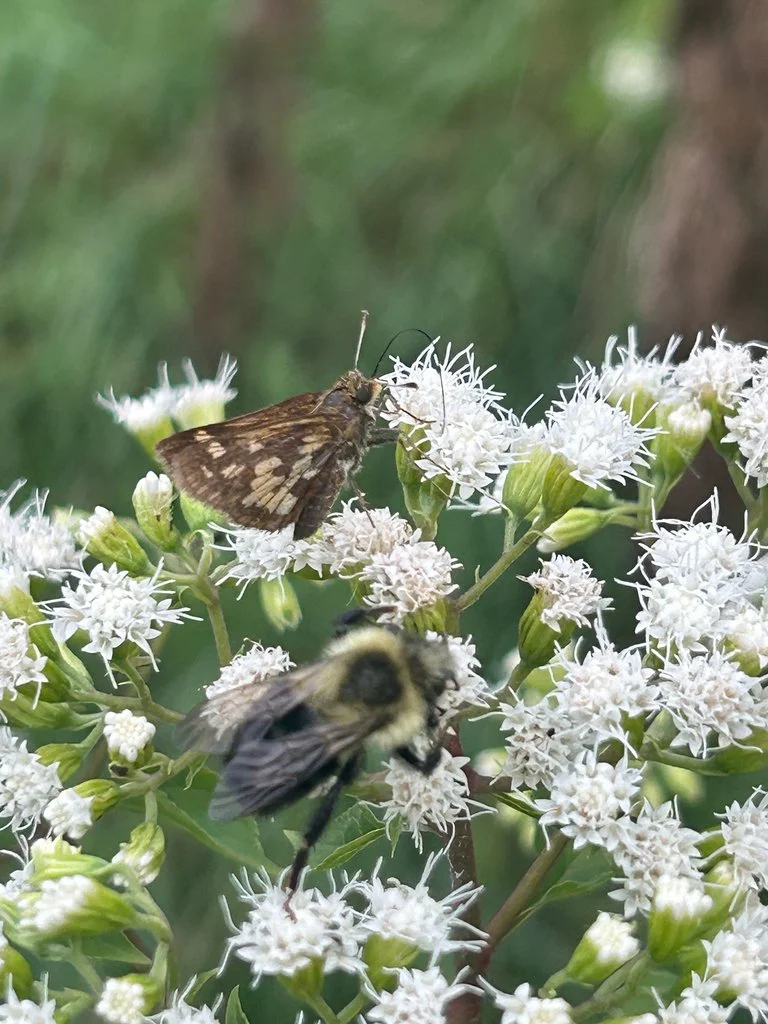
Peck's Skipper and Common Eastern Bumble Bee
Two pollinators share one bloom: a Peck's Skipper and a Common Eastern Bumble Bee, September 2026. Photo: emmamsps / iNaturalist (CC BY-NC).
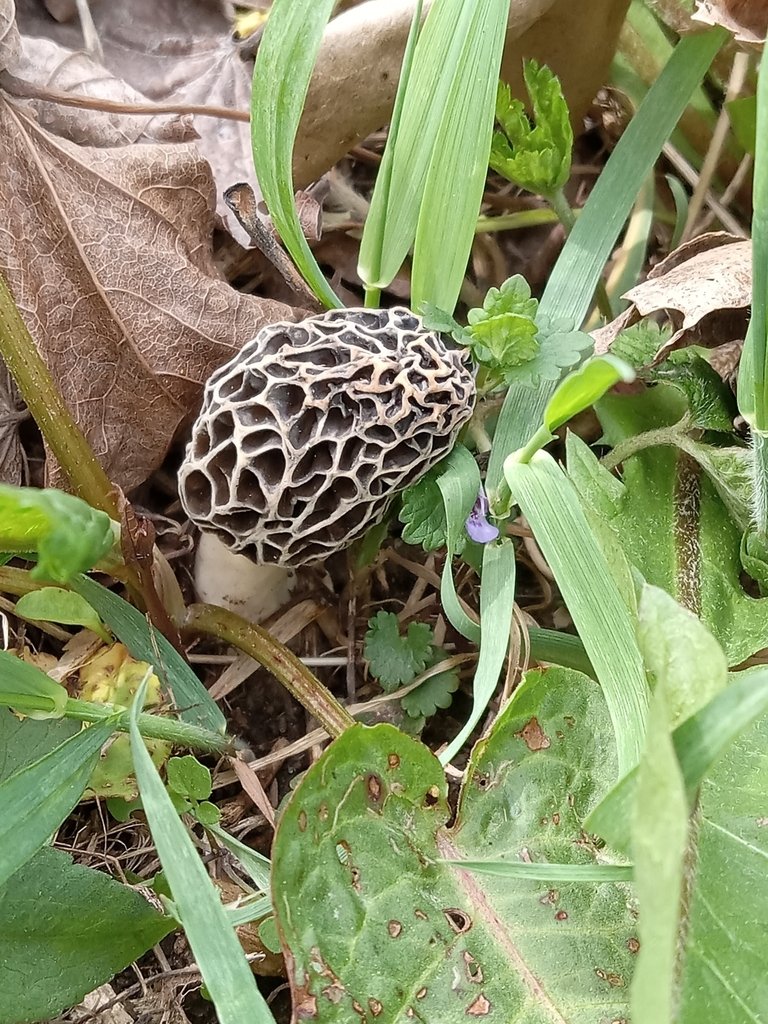
American Yellow Morel
A spring surprise: an American yellow morel found in the garden, April 2025. Photo: saprophyte_sap / iNaturalist (CC BY-NC)
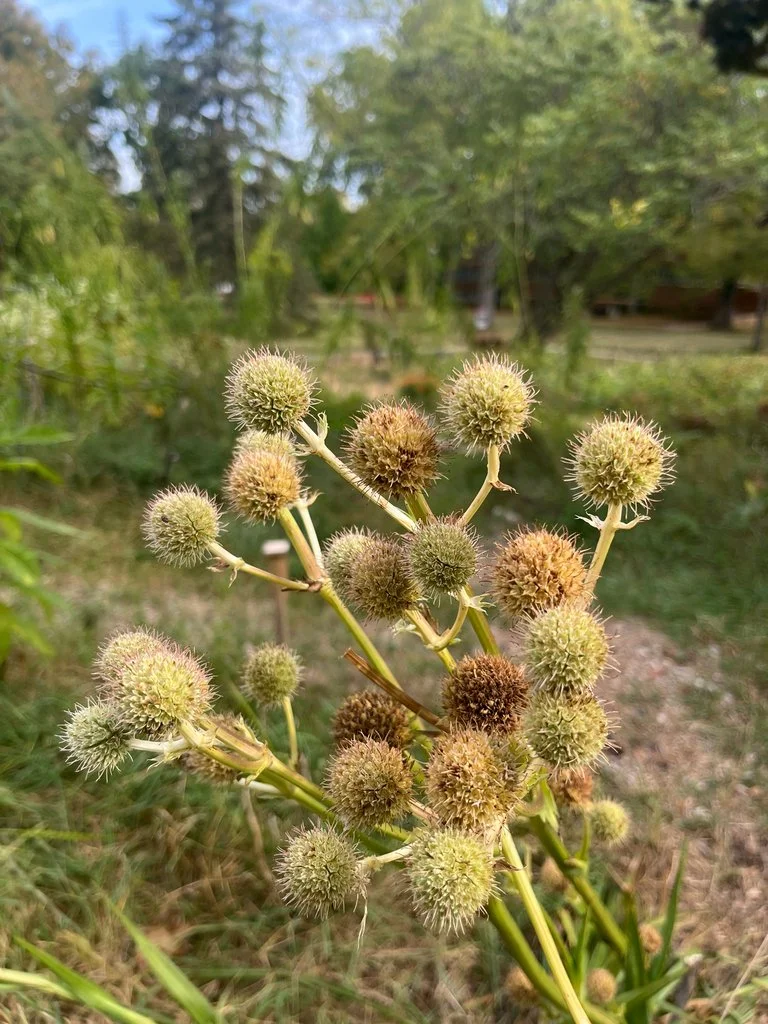
Rattlesnake Master
Rattlesnake master, a native prairie plant, going to seed in the garden, September 2025. Photo: ryeworn11 / iNaturalist (CC BY-NC).
Students Experiencing Nature-Based Wellness
The program's impact is also reflected in students' growing interest in incorporating nature into their lives. Program reflections indicate that students have expressed interest in using nature as a coping strategy, learning mindfulness practices, exploring homesteading and self-sufficient living, and considering farming as a possible livelihood.
Survey results further demonstrate positive perceptions of the Gardening Nature Rx sessions. Participants reported agree or strongly agree across all survey statements assessing communication, social connection, community building, mindfulness, organization, inclusion, diversity, and cultural appreciation. 100% of responses reflected positive agreement, with no neutral or negative ratings.
“Gardening made me feel powerful know how hard it is to do although I wasn’t able to do as much as I wanted I still felt powerful and motivated to challenge my body more.”
“Being outside is calming and peaceful, and when you’re gardening you forget all you were thinking about”
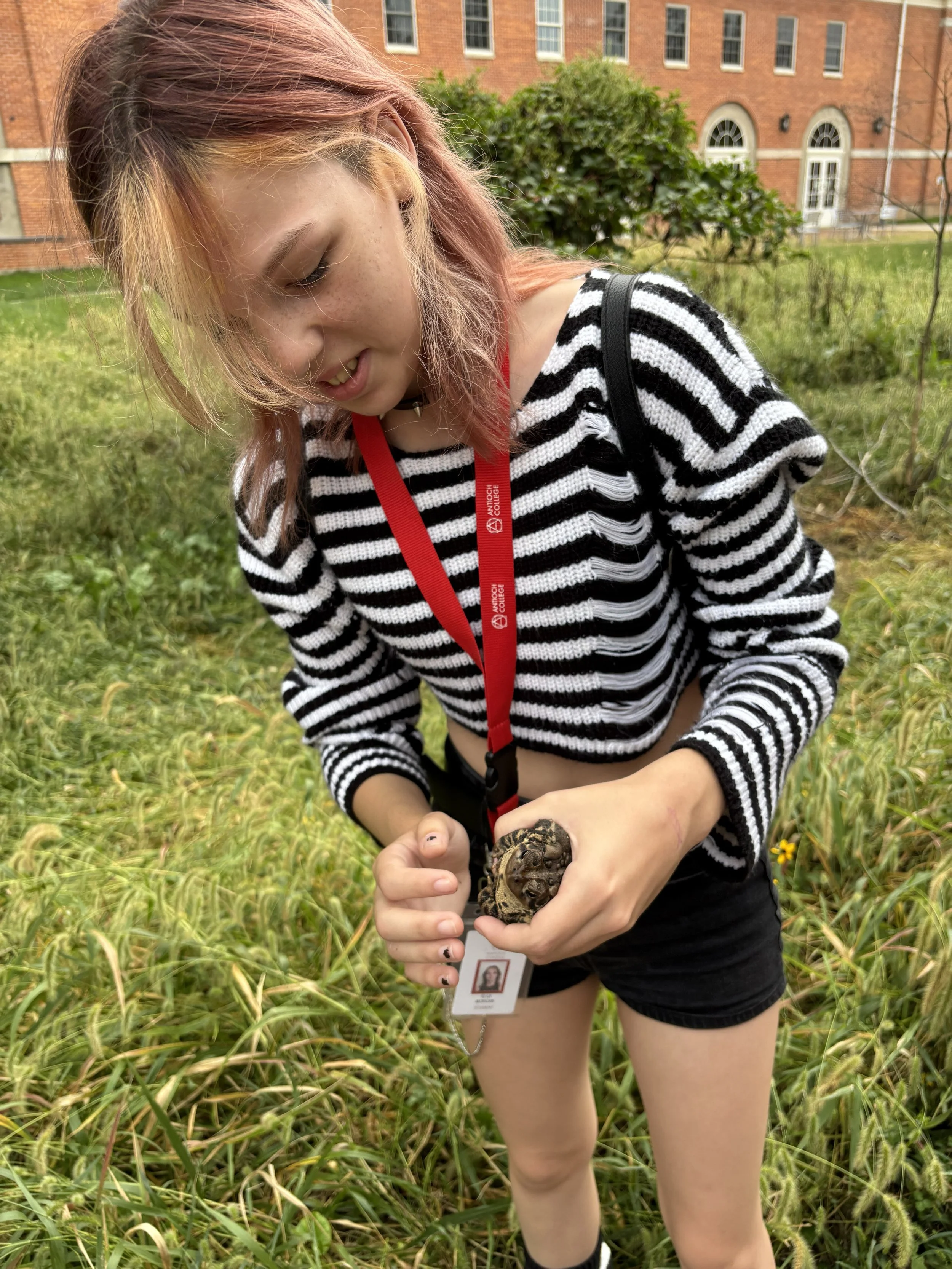
Apothecary Work Crew member Ella Morgan discovered this large American Toad while weeding Foxtail Grass!
As these initiatives continue to grow, Antioch is also developing accessible ways to evaluate their impact on student well-being. Through a brief Nature for Mental Health reflection, students participating in activities in the Apothecary Garden, on the Farm, Gardening for Mental Health Program and with campus animals will be invited to share their experiences related to connection, mindfulness, and mood. QR codes at each site will link to a streamlined survey designed to take less than one minute, allowing students to record before-and-after mood ratings and identify the activities in which they participated. Additional measures will include tracking work crew hours, volunteer days, and iNaturalist observations, alongside qualitative student reflections and photographs that document their engagement with nature. Together, these efforts will help Antioch better understand participation patterns, assess students’ experiences, and communicate the value of nature-based wellness opportunities across campus.
As the program continues, Gardening for Mental Health with the collaboration of the Apothecary Garden is becoming a space where students can grow plants, grow skills, and grow relationships. The goal is not simply to maintain a garden, but to cultivate a campus environment where wellness can occur through meaningful activity, connection to nature, community, and a sense of belonging. Ongoing group check ins, reflection activities, and brief post-session surveys are being used to gather student feedback and inform future programming.
De’ja Bush, Assistant Director of Counseling Services and Micki Cole Licensed Professional Counselor and Gardening for Mental Health Program Facilitator