Create Space: Blackburn’s Artistic Outlet for Students to Pursue Self-Expression, Wellness, and Community Building
Half a dozen students and one staff member are circling around a semi-messy art classroom. We are taking part in one of the last steps of the evening: witnessing each other’s creations made during the event. This sharing is done without critique or affirmation. Some participants are experienced artists and art majors, and some have used this time to experiment and try new things. In the event’s final discussion, participants look back on their intentions in coming to Create Space and reflect on how they feel now. We pick up the space and take our art with us. For some, this is a single foray into open studio art; for others, this is only one in several future Create Space events they will attend throughout the semester.
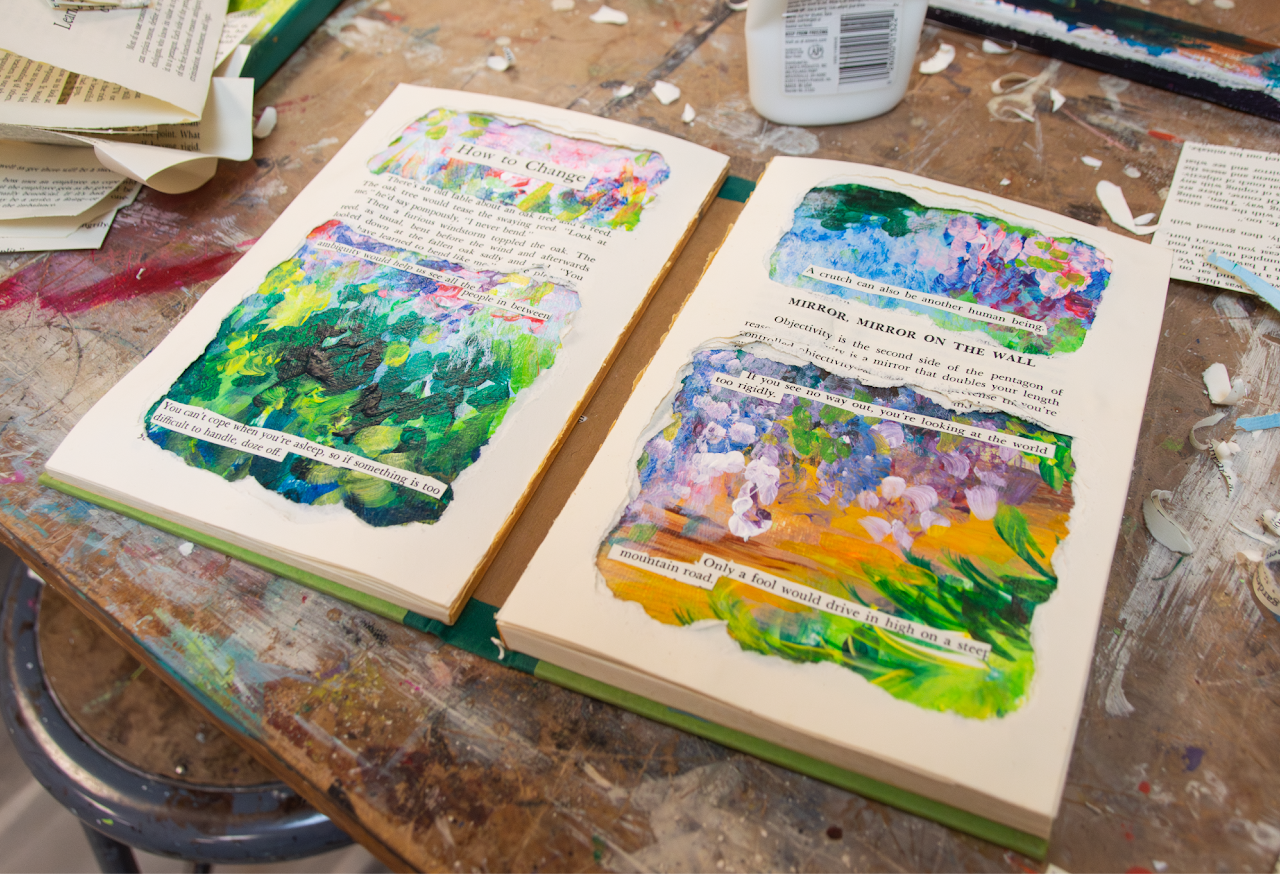
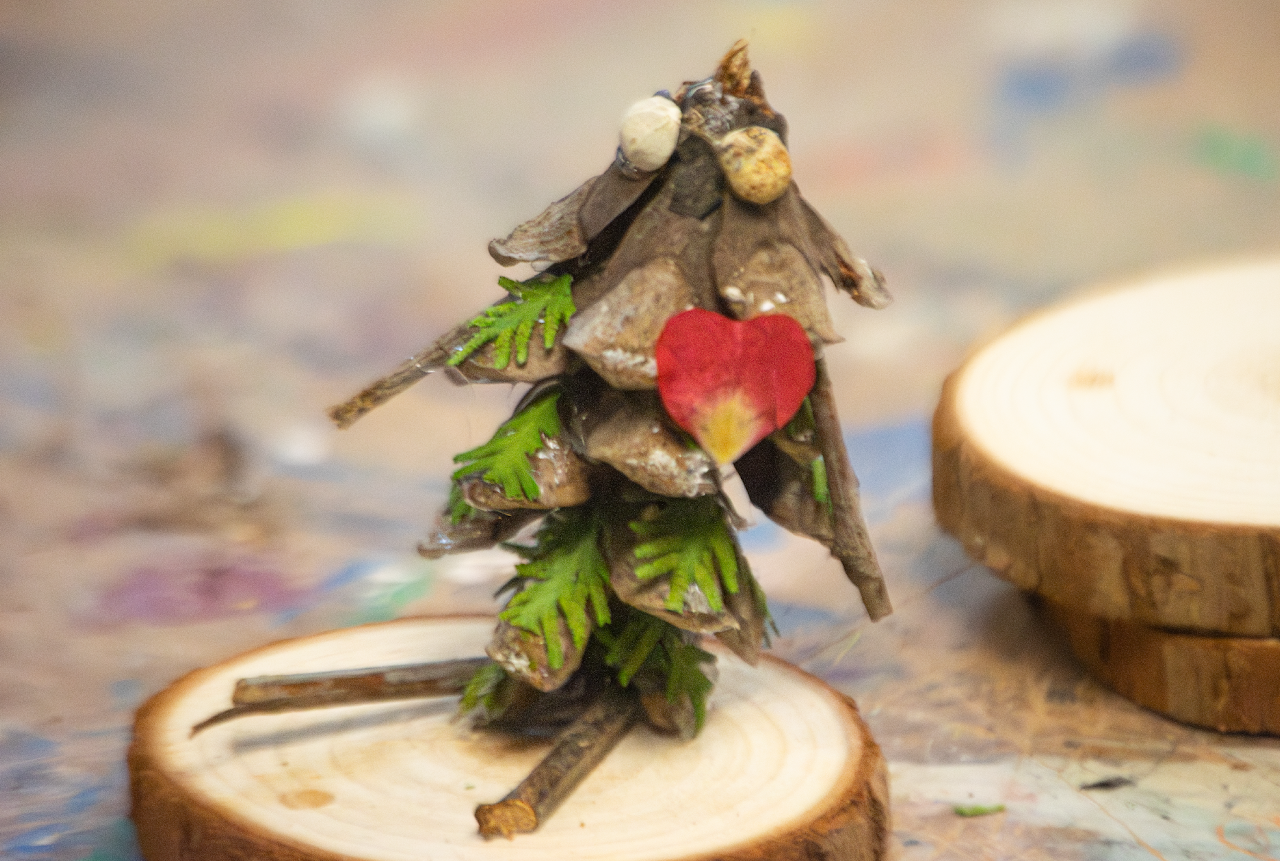
What is Create Space? Create Space is a monthly program at Blackburn College that allows any student to come and engage in an open art studio. The main goal is to create a casual, nonjudgmental space for students to explore themselves, connect with their peers, and tend to their well-being through art. The monthly events are facilitated by Daniel Lanctot and include free art supplies and a chance to explore different themes and mediums each month. Each student can use this opportunity to contribute to building the campus' creative community and culture of supporting students' mental health through art.
The project was founded by Daniel Lanctot, one of Blackburn’s counselors, with support from the Endeavor Foundation. Lanctot has a background in facilitating art therapy groups but wanted to pilot a group art-making outlet outside of the counseling department and separate from an explicitly “mental health service” context. The hope being that this could still provide the benefits of art as therapy for students. For more information on Create Space refer to Daniel’s Create Space presentation to the Nature Rx working group and the Create Space website at Blackburn.
What is the benefit of making art? Studies have demonstrated a reduction of cortisol levels following art making (Kaimal, G., Ray, K., & Muniz, J. (2016). In addition, De Petrillo and Winner (2005) conducted research that found: “The act of creating a work of art makes people feel more positive in their mood and, hence, elevates their measure of mood valence. Neither copying geometric shapes nor solving a word puzzle had the same degree of beneficial effect on mood.” Lastly, the findings of Kaimal, G., et al. (2017) indicated: “Art-making evokes reward pathways, that even short spans of artistic activity can improve self perceptions of creative abilities, and, art-making could be a way to regulate mood, addictive behaviors and evoke a sense of pleasure.”
Lanctot collaborated with Blackburn students such as Arlo Ward in the summer of 2025 to garner help with the process of establishing logistics for the project. Along with brainstorming events and building key infrastructure for the project, a vital student addition to program development was to offer participants ample agency to use the time for whatever they needed so that it wouldn’t feel prescriptive or limiting. While Create Space provides a structure, it is open to what students want to make out of it—whether that follows the theme of the month or involves showing up to work on another project in a group setting.
One significant inspiration for Create Space has been tenets from art therapist Pat Allen’s open studio model. Lanctot incorporates Allen’s concept of refraining from commenting on each other’s work, even if it is positive. Though it is hard to not tell someone, “That looks great!” maintaining neutrality helps establish a nonjudgmental space. Open studio also honors the importance of the process in art-making and not simply the end product.
C.H. Moon (2015) identifies open studio processes as “an open structure that allows both the artistic process and conversation among participants to unfold naturally, an emphasis on both the processes and products of art‐making, and an awareness of the interrelationship between personal and social well‐being and change.” Over the two semesters, Lanctot and co-facilitators have approached the open studio model with flexibility, continuing to evolve the processes to work towards best meeting the needs of the students.
Sophomore Lyn Waters has been a participant and a co-facilitator of a Create Space event. She notes that, “It’s a cool space where people can come together and make things and bond without feeling judged.”
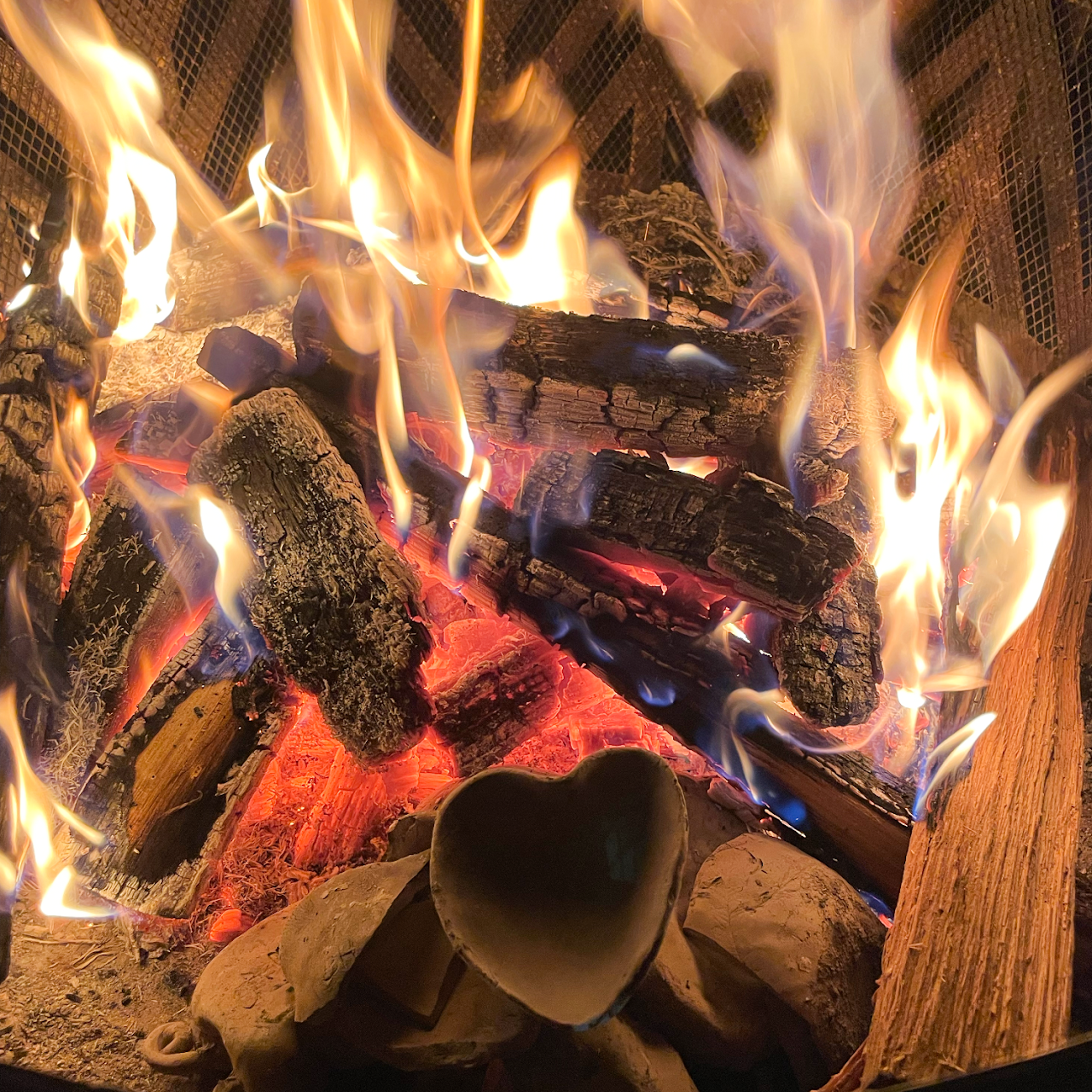
There were three programs planned in the initial fall semester, and four were included in the spring schedule based on student interest. The program sees an average of six students per studio out of Blackburn’s enrollment of around 500. As it has developed over time, students and faculty have offered expertise to co-facilitate events with Lanctot. Create Space has featured several mediums and themes, including everyday object art, mask-making, bonfire pinch-pot ceramics, a crochet studio, altered books and canvases, and even group music production and recording. Lanctot plans on continuing Create Space in the next school year with new offerings in place and looks forward to more collaboration with students in the future.
WORKS CITED:
Allen, P. (2022). The pardes studio process. Retrieved from https://www.patballen.com/pages/process.html
De Petrillo, L., & Winner, E. (2005). Does art improve mood? A test of a key assumption underlying art therapy. Art Therapy, 22(4), 205-212.
Kaimal, G., et al. (2017). Functional near-infrared spectroscopy assessment of reward perception based on visual self-expression: Coloring, doodling, and free drawing. The Arts in Psychotherapy, 55, 85-92.
Kaimal, G., Ray, K., & Muniz, J. (2016). Reduction of cortisol levels and participants' responses following art making. Art Therapy, 33(2), 74-80.
Moon, C. H. (2015). Open studio approach to art therapy. The Wiley Handbook of Art Therapy, 112-121.
Daniel Lanctot is a College Counselor at Blackburn College, and Arlo Ward is a senior student at Blackburn College.