
Celebrating Resilience through Difficult Histories at Warren Wilson College
Warren Wilson College (WWC) is a small, progressive, residential college that is intimately tied to the 1,135 acres in the Swannanoa Valley of the Blue Ridge Mountains on which the campus resides. The land itself is marked by over 12,000 years of human occupation and sits on the enduring homelands of the Cherokee Nation. Histories of place remain in the land itself and in the sharing of oral histories over millennia. Prior to European colonialism, the Swannanoa Valley was a busy, thriving region marked by travel through the various waterways, large community feasts, and ecosystems built on shared relationships between people, animals, and the land. The Cherokee were forcibly removed from the region in the 19th century, and the pain of losing connection with the land continues to the present. WWC students are only the most recent stewards of this dynamic landscape, yet they learn from those who came before them through place-based education that situates sustainability in this historical setting.
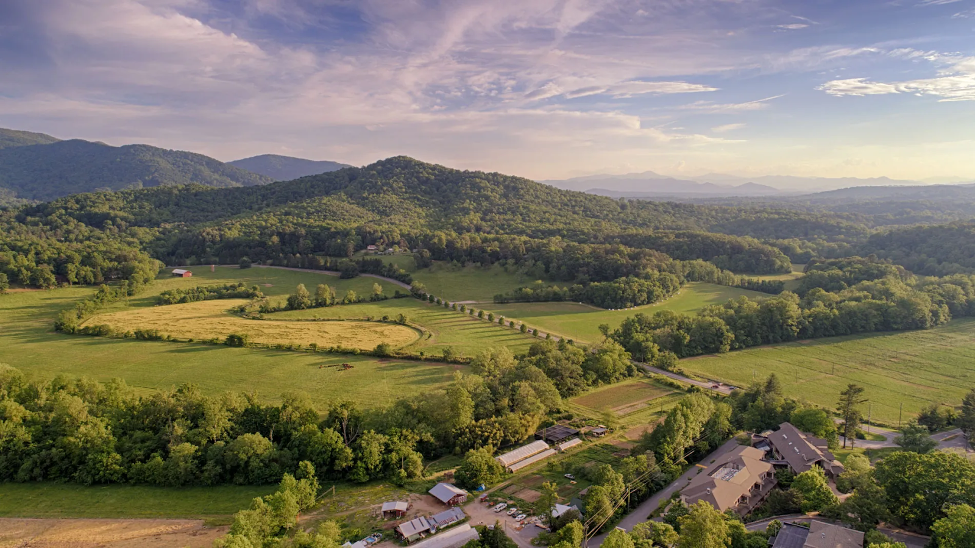
WWC main campus with Jones Mountain in the background
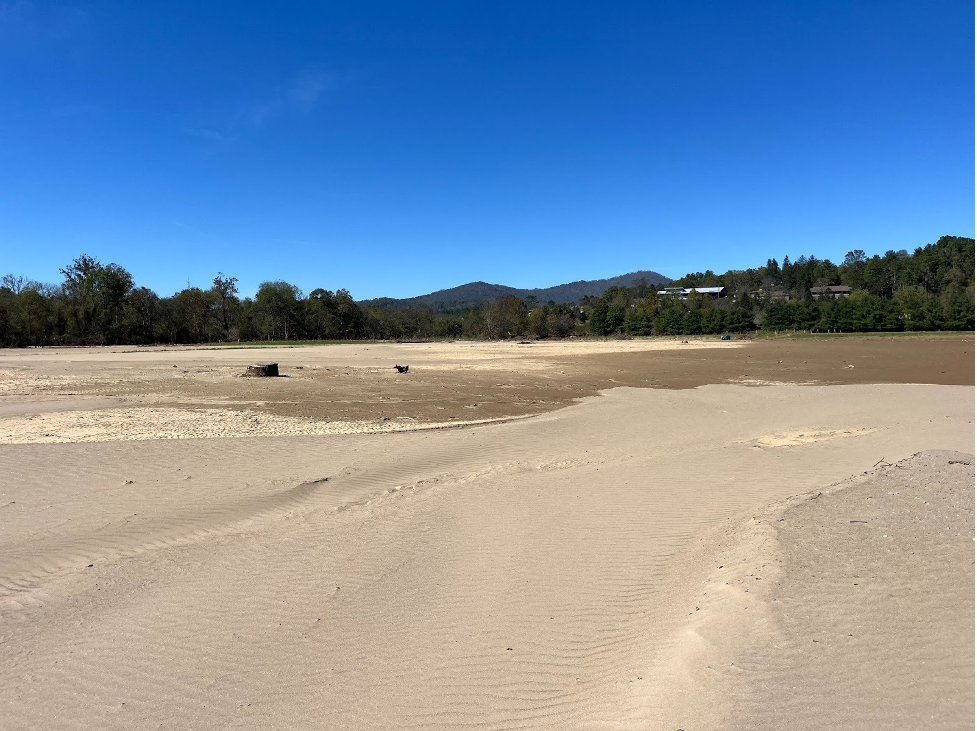
WWC Farm covered in sediment after Hurricane Helene. | October 14, 2024
In September of 2024, Hurricane Helene struck Western North Carolina after several days of rain. Some of the rivers crested at over thirty feet, creating a literal flood of devastation that destroyed homes, lands, and lives. Warren Wilson College was not spared–Helene ravaged parts of the Swannanoa River corridor and flooded the College’s farm and gardens. Yet, the aftermath of the storm prompted a surge of community aid and neighborhood support, creating inclusive ties for survivors.
In the year and a half since the flood, the WWC community has grappled with several entangled questions: how do we practice resilience in the aftermath of disaster? How do we create a sense of belonging in places that were so recently affected? How do we contend with an even longer place-based history of joy, despair, and cultural erasure for Native communities?
When presented with the opportunity to work with the Endeavor Lab Colleges Collaborative, a consortium of 10 small liberal arts institutions, through its Mapping Belonging Project these were the questions that immediately came to mind. In the first year of the project, a pilot group of students in a course on Space, Place, and Landscape were asked one simple question: where do you feel good on campus? They were also instructed to collect photos, videos, and oral recordings of these places. Students reported a vast array of spaces–some of these were social including the cafe or the lawn outside of the dining hall. Many of the spaces were simply beautiful, like the one below of Charlie’s Barn. Still other students indicated that private places in the forest were where they felt most comfortable. The responses of these students were partially recorded in this ArcGIS StoryMap.
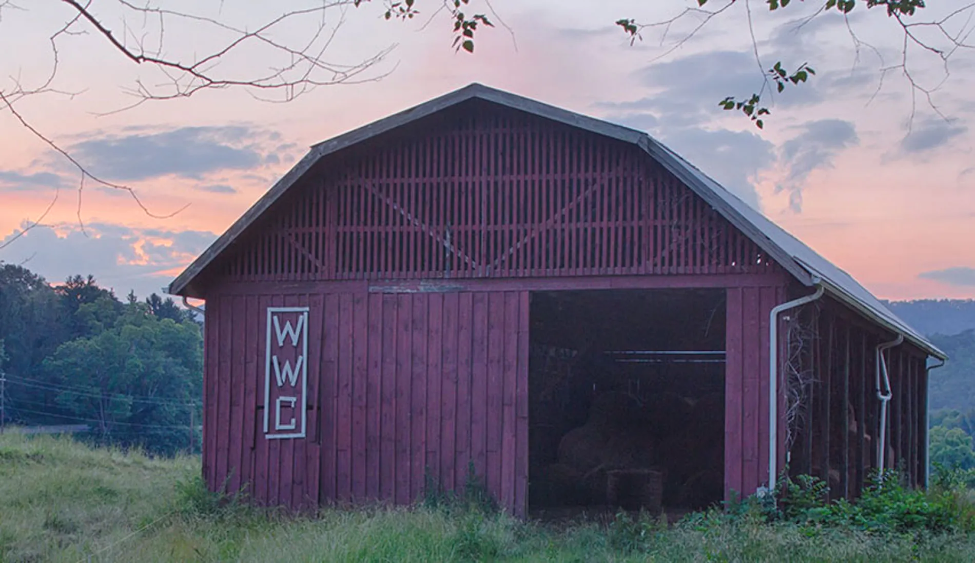
Charlie’s Barn. Image courtesy of Warren Wilson College.
Though we are still continuing to document places of student belonging at WWC, we have also shifted our attention from asking questions about belonging to actually creating spaces of belonging. Given the long-term history of Native communities in the valley and the fact that WWC is a predominantly white institution, an additional guiding question asks how WWC can promote Indigenous visibility and representation on campus. Native American and Alaska Native college students have significantly higher rates of anxiety, depression, and substance abuse when compared to their white peers (Fetter and Thompson 2023). Much of these mental health issues stem from feelings of historical loss, displacement, and the devaluation of Traditional Ecological Knowledge in college settings.
With mini-grant support from the Endeavor Foundation, WWC is developing a five-stop walking path to promote Indigenous representation across campus. These places will include areas of campus with deep ties to Native communities in addition to three areas where WWC grows Native plants and trees to be used in dyeing fabric, food justice sustainability, and the restoration of the American Chestnut (Castanea dentata). The mapping team is in the process of designing culturally appropriate signage for these places. The walking path will also be displayed on a large sign in Main Campus where passersby will see the route on a daily basis. This path will have its own route on the WWC Mapping Belonging StoryMap, and will eventually be printed so that it can be handed out at new student orientation.
Wellness, belonging, and cultural inclusion do not just “happen” on their own–it takes a dedicated effort to create, nurture, and make sustainable places of inclusion. Through the collection of stories, photos, and oral accounts, WWC is fostering the sustainability of these places across campus. Furthermore, the Indigenous representation walking path utilizes a route already etched into the landscape, following in the literal footsteps of those who came before us and from whom we can learn.
Scotti Norman is an Assistant Professor of Material Culture and Archaeology at Warren Wilson College.