|
The Endeavor Lab Colleges Newsletter is your one stop source for news, project updates, funding opportunities, and events. ͏ ͏ ͏ ͏ ͏ ͏ ͏ ͏ ͏ ͏ ͏ ͏ ͏ ͏ ͏ ͏ ͏ ͏ ͏ ͏ ͏ ͏ ͏ ͏ ͏ ͏ ͏ ͏ ͏ ͏ ͏ ͏ ͏ ͏ ͏ ͏ ͏ ͏ ͏ ͏ ͏ ͏ ͏ ͏ ͏ ͏ ͏ ͏ ͏ ͏ ͏ ͏ ͏ ͏ ͏ ͏ ͏ ͏ ͏ ͏ ͏ ͏ ͏ ͏ ͏ ͏ ͏ ͏ ͏ ͏ ͏ ͏ ͏ ͏ ͏ ͏ ͏ ͏ ͏ ͏ ͏ ͏ ͏ ͏ ͏ ͏ ͏ ͏ ͏ ͏ ͏ ͏ ͏ ͏ ͏ ͏ ͏ ͏ ͏ ͏ ͏ ͏ ͏ ͏ ͏ ͏ ͏ ͏ ͏ ͏ ͏ ͏ ͏ ͏ ͏ ͏ ͏ ͏ ͏ ͏ ͏ ͏ ͏ ͏ ͏ ͏ ͏ ͏ ͏ ͏ ͏ ͏ ͏ ͏ ͏ ͏ ͏ ͏ ͏ ͏ ͏ ͏ ͏ ͏ ͏ ͏ ͏ ͏ ͏ ͏ ͏ ͏ ͏ ͏ ͏ ͏ ͏ ͏ ͏ ͏ ͏ ͏ ͏ ͏ ͏ ͏ ͏ ͏ ͏ ͏ ͏ ͏ ͏ ͏ ͏ ͏ ͏ ͏ ͏ ͏ ͏ ͏ ͏ ͏ ͏ ͏ ͏ ͏ ͏ ͏ ͏ ͏ ͏ ͏ ͏ ͏ ͏ ͏ ͏ ͏ ͏ ͏ ͏ ͏ ͏ ͏ ͏ ͏ ͏ ͏ ͏ ͏ ͏ ͏ ͏ ͏ ͏ ͏ ͏ ͏ ͏ ͏ ͏ ͏ ͏ ͏ ͏ ͏ ͏ ͏ ͏ ͏ ͏ ͏ ͏ ͏ ͏ ͏ ͏ ͏ ͏ ͏ ͏ ͏ ͏ ͏ ͏ ͏ ͏ ͏ ͏ ͏ ͏ ͏ ͏
Learning by Doing: How Bennington College’s Field Work Term Prepares Students for Purposeful Life and WorkBY JOHN LINK, Ed.D., DEAN of INTEGRATED LEARNING & CAREER READINESS
|
At Bennington College, learning does not stop at the classroom door. Through the Field Work Term (FWT)—a signature, required component of the curriculum—students step into the world every year to apply their ideas, test their values, and build the skills needed for meaningful lives and careers.Led by John Link, Ed.D., Dean of Integrated Learning & Career Readiness, the Field Work Term reflects Bennington’s longstanding belief that experiential learning is central—not supplemental—to a liberal arts education. Each year, students engage in immersive professional experiences that align with their academic plans, deepen self-knowledge, and strengthen their sense of purpose.What Is the Field Work Term? The Field Work Term is a credit-bearing, experiential learning requirement in which every Bennington student participates annually. Students design and complete internships, fellowships, apprenticeships, independent studies, and community-based placements across industries, disciplines, and geographic locations.Unlike one-time internships common at many institutions, Bennington’s model is developmental. Students revisit experiential learning year after year, building confidence, clarity, and competence as their interests evolve and their goals sharpen.Supporting Student Growth, Competencies, and Well-Being: At the heart of Field Work Term is a commitment to holistic student development. Experiences are intentionally designed to support students in building the competencies employers value most—such as communication, critical thinking, teamwork, professionalism, and ethical engagement—while also prioritizing well-being, reflection, and sustainable work practices.Preparation is a key part of this process. In advance of Winter 2026:176 students met with career advisors for Field Work Term search planning87 students received application material reviews118 students worked with Student Career Assistants during drop-in advisingAdvisors visited six First-Year Forum classes to support early planning and exploration
This layered advising model ensures that students are not only placed successfully, but also supported in articulating learning goals, navigating professional expectations, and reflecting on how each experience informs their academic and life direction.Access and Equity Through Funding: Bennington is deeply committed to ensuring that financial barriers do not limit access to experiential learning. For Winter 2026:299 students received $500 need-based stipends, totaling $149,500 in direct supportFellowship funding exceeded $114,000, including support from the Lucille Lortel Theatre Foundation, Newman & Cox Fellows, Creative Legacy Fellows, and Endeavor Environmental Action Fellows
These investments make it possible for students to pursue meaningful, often unpaid or underpaid opportunities aligned with their values and aspirations.Purposeful Pathways Rooted in the Liberal Arts: Students’ Winter 2026 placements reflect traditional liberal arts pathways and emerging fields. The most represented career clusters included theater and performing arts, literature and publishing, education, music and sound, museums, social services, film, galleries, and arts education.Host organizations ranged from internationally recognized arts institutions to grassroots community organizations, research centers, schools, environmental groups, and cultural nonprofits—demonstrating the adaptability and initiative of Bennington students across contexts.Preparing Students for Life After College—and Beyond: The Field Work Term is not about training students for a single job. It is about preparing them for a lifetime of purposeful work, civic engagement, and adaptability. Through repeated, reflective engagement with the world, students learn who they are, what they value, and how they want to contribute.As the nature of work continues to evolve, Bennington’s Field Work Term stands as a powerful example of how a liberal arts education—grounded in inquiry, creativity, ethics, and action—can prepare students to enter the workforce, and shape it.Check out John’s previous blog From Uncertainty to Opportunity, and find additional resources on Field Work Term in the ELC Knowledge Base under Purposeful Life & Work.
|
Upcoming Events & Professional Development
|
Outbreaks & Contagious Diseases
Thursday, April 2, 2026 | 2:00-3:00 PM ETIs your institution truly prepared for the next outbreak? With vaccination rates shifting and public health directives constantly evolving, maintaining a safe, open campus has never been more complex. Between record-keeping and the need for robust emergency response, the stakes for higher education are higher than ever. Join this session designed to assist you in moving from “reactive” to “proactive”.By registering you will also receive access to an on-demand copy after the session.
|
Understanding Compassion Fatigue & Burnout
Wednesday, April 8, 2026 | 12:00-1:00 PM ETFree webinar hosted by Mindspring Mental Health Alliance explores compassion fatigue and burnout. Explore strategies for compassionate engagement that also protect your own well-being. Learn the warning signs, who is at risk, and how to restore your emotional energy.
|
Endeavor Dialogues 2026
The ELC’s Annual Presidents Meeting
April 20-22, 2026
Randolph College, Lynchburg, VA
|
Leadership in the ELC: Why We Can't Do It Alone
|
Whether you are shaping curriculum or leading campus task forces, effective leadership requires a community. This month, two ELC leaders share blog posts that explore the power of shared collaboration. Gary, Project Lead for the Curriculum Working Group, reflects on his background as a poet to explain why innovation requires trusted collaborators and a willingness to accept feedback. Meanwhile, Campus Taskforce Lead Milly Morrow shares a humorous metaphor about a turkey to remind us that isolating ourselves only creates anxiety, and that we must stay with our "flock" to collaboratively solve real problems. Read their insights on how the ELC community makes our work stronger in their blog posts below and on our website.
|
|
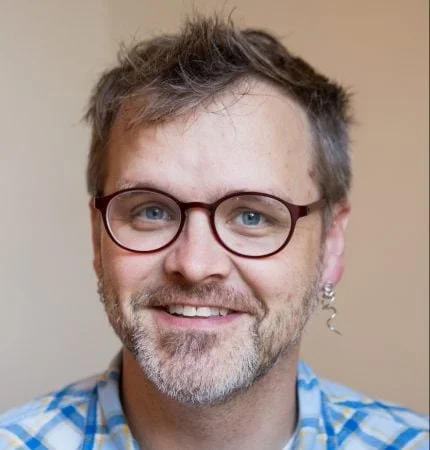
Gary Dop, Professor of English & MFA Director, Randolph College
|
|
|
Gary has been at Randolph College since 2013. He currently chairs the English Department and directs the College’s MFA in Creative Writing. Gary’s colleagues share that he has always been a leader amongst faculty, often able to simultaneously hold the value of his teaching for students and an appreciation of the impact of the numerous internal and external factors on the institution. As such, Gary is the founding director of the College’s MFA in Creative Writing program and was one of the architects of Randolph’s innovative TAKE2 curriculum model. In 2021, he was appointed Dean of Innovation, a position held until recently when he chose to return more fully to his passion for teaching and writing. He has published more than 120 original works, a bestselling poetry collection, a multimedia play, and innovative 3D poetics.Gary is also in his third year as Team Lead for the Endeavor Lab Colleges’ Curriculum working group. Alongside his Bennington colleague, Barbara Alfano, Gary has expanded trauma-informed and resilience based professional development for faculty and staff, led the impact development of the Endeavor Faculty Fellows Program, contributed to the development of the Phase II funding proposal, and supports the emerging development of a case statement for the integration of well-being in the liberal arts. As we have shifted from exploration and experimentation (Phase I) to implementation (Phase II), Gary’s leadership has been invaluable.Gary is no stranger to recognition of his writing and teaching having received Randolph’s Gillie A. Larew Distinguished Teaching Award, as well as the Great Plains Emerging Writer Prize, a Pushcart Special Mention, and a Best of the Net Award. More recently, Gary was one of 12 educators from Virginia’s two- and four-year colleges to receive the Outstanding Faculty Award from the State Council of Higher Education for Virginia. The award recognizes faculty at Virginia institutions of higher learning who exemplify the highest standards of teaching, scholarship, and service.
|

|
Milly Morrow, Executive Director of Wellness, Warren Wilson College
|
|
|
Milly Morrow (MDiv and MSSW) is the Executive Director of Wellness at Warren Wilson College. As a dedicated professional with a passion for helping individuals, families, and organizational systems find clarity and lead with purpose, she incorporates the tools and wisdom of Internal Family Systems, Asset Based Community Development, and Systems Thinking to offer a trauma-focused and resilience-based approach that fosters growth and transformation. Morrow believes “The greatest path to wellness is through connection and community.”Milly has been dedicated to decreasing violence and increasing capacity for transformation for over three decades in her various roles as a legal and medical advocate, community organizer, counselor, and Episcopal priest. Her mission is to support, inspire and lead work that is authentic and effective while sustaining meaningful connections.Throughout her career, Milly has recognized she thrives when working with individuals within the age range of 14 to 30 and enjoys helping people find their passions. After taking a brief sabbatical from her work as an Episcopal priest, Milly was drawn back to Warren Wilson, where she had been an adjunct faculty member, to help the institution understand that truth-telling, advocacy, connections, and creating a place where people can genuinely belong—as they are—is the best and quickest way to support everyone’s well-being.If you know someone or a program at your institution that you would like to be highlighted, please contact ELC@sterlingcollege.edu.
|
You can follow this work for all groups through the “real time” meeting notes housed in the Knowledge Base. (File Name: Team Notes & Documentation)The Curriculum working group is nearly finished with a formal articulation of the intersection of mental health well-being, belonging, purpose, and the liberal arts. This document will serve as a framing document for cross institutional curricular and co-curricular discussion on enhancing mental well-being and students' success and inform a curriculum mapping exercise on each campus. Over the coming months they will engage academic affairs and other faculty on their campuses in these discussions.The Community Care and Community Resilience (CC&CR) working group is developing a collaborative CC&CR toolkit and roadmap to support the integration of community care work. As part of this work, three members attended the National Association of Student Personnel Administrators (NASPA) Peer Educator training and are developing toolkits and training materials to share across the Collaborative. The group has also met with Nance Roy of the JED Foundation for a discussion of institutional leave policies and is planning a Community Resilience Model (CRM) training for June.The Purposeful Life and Work group has begun construction of the Virtual Center for Purposeful Life and Work. This will serve as a collaborative resource, supporting students in the pursuit of meaningful work and life. Across the Spring term, they are focused on developing collaborative resources and access to tools and materials to support faculty, career development professionals, and students in their journey.This month, Mapping Belonging is fully engaged in the workshopping and production of their maps. These maps demonstrate an exciting mix of modalities and styles that reflect the unique social, cultural, and ecological contexts of the ELC campuses. The groups continue to learn from each other and seek to identify shared resources, artists, print companies, and tools to assist with continued project development over the Spring term. Additionally, the group continues to explore opportunities to weave Mapping Belonging more intentionally into other areas of well-being work across each campuses’ Endeavor initiatives.The Nature Rx working group continues to share members’ and institutional expertise around physical, natural, and creative practices to support student and community mental health and wellness. They are actively involved in sharing biweekly “knowledge nugget” presentations and resources with each other. Individual schools are transitioning into creating spaces and programming that can foster connections among our students and develop new shared opportunities among our collaborative.Our group of Student Fellows is deeply immersed in the discussions and actions around the impact of technology and AI, and student engagement across their campuses. They are actively considering the campus and collaboratively developing short project proposals to access seed money to support those projects on your campus. Stay tuned!
|
Looking for quick reference resources to inform practice and support your students? This Mental Health Coalition Toolkit is designed to provide resources students need to thrive and maintain wellness.
|
Join the ELC Wellness Movement!
|
Connect with your campus liaisons or the Project Director.Support the work on your campus!
|
|
|
|